


Semaglutide 7.2 mg is a once-weekly prescription injection that may support additional weight loss in selected adults with obesity. It is a higher maintenance dose of semaglutide, considered after gradual dose escalation and assessment of the patient’s response to 2.4 mg.
Semaglutide is a GLP-1 receptor agonist that acts on pathways involved in hunger and fullness, helping reduce appetite and food intake.
Choosing an appropriate maintenance dose involves balancing weight-loss benefits, side effects and long-term health goals. Patients who are progressing well on 2.4 mg may continue that dose, while those with a clinical need for further weight reduction may benefit from discussing other treatment options with their doctor.
This guide explains the STEP UP results, the differences between semaglutide 7.2 mg and 2.4 mg, suitability, dosing and potential side effects. It also covers the practical aspects of doctor-supervised weight management in Singapore, including nutrition, muscle health, follow-up appointments and maintaining progress over time.
Learn more about semaglutide 2.4 mg weekly treatment here:
https://weightlossclinic.sg/wegovy-semaglutide-2-4mg-singapore/
How Much Weight Loss Can Semaglutide 7.2 mg Achieve?
The STEP UP trial found that semaglutide 7.2 mg produced greater average weight loss than 2.4 mg over 72 weeks. The study included 1,407 adults with obesity without diabetes, with all treatment groups receiving support for a reduced-calorie diet and increased physical activity.
Semaglutide 7.2 mg vs 2.4 mg: STEP UP Results
The trial reported two estimates of average weight reduction:
| Analysis at 72 weeks | Semaglutide 7.2 mg | Semaglutide 2.4 mg | Placebo |
| Regardless of treatment discontinuation or additional weight-management interventions | 18.7% | 15.6% | 3.9% |
| Assuming continued assigned treatment without other weight-loss medication or bariatric surgery | 20.7% | 17.5% | 2.4% |
The first analysis accounts for treatment changes that occurred during the study. The second estimates the effect if participants continued their assigned treatment without adding another weight-loss intervention. Both describe clinical-trial outcomes; individual results in everyday practice may differ.
How Much Additional Benefit Did the Higher Dose Provide?
Semaglutide 7.2 mg produced approximately 3.1 to 3.2 percentage points more average weight loss than 2.4 mg. Although the weekly dose was three times higher, the amount of weight lost was not three times greater.
Can These Results Predict Weight Loss After Increasing From 2.4 mg?
STEP UP did not specifically study patients whose weight loss had plateaued after long-term treatment with 2.4 mg. The difference between the trial groups therefore cannot be used to predict exactly how much additional weight someone will lose after increasing their dose.
The reported percentages also reflect changes over the full 72-week study, including dose escalation. They are not estimates of weight loss during 72 weeks spent entirely on 7.2 mg.
Patients with obesity and type 2 diabetes were evaluated separately in STEP UP T2D. Their expected response and treatment plan should account for both weight management and diabetes care.
When Should a Higher Semaglutide Dose Be Considered?
A discussion about semaglutide 7.2 mg should begin with the health goals that remain unmet. Further weight reduction may be worth considering when obesity continues to affect health or daily function, provided the potential benefits justify the additional treatment risks.

What Should Be Reviewed Before Increasing the Dose?
Your doctor will assess the overall response to treatment, including:
- Progress so far: Changes in weight, waist circumference, mobility and obesity-related health conditions.
- Treatment consistency: Time spent at the current dose, missed injections and any interruptions.
- Tolerability: Whether nausea, vomiting, constipation or other symptoms affect daily life.
- Nutritional intake: Whether you can eat adequately, stay hydrated and maintain physical activity.
- Remaining goals: What further weight reduction is expected to achieve and whether those expectations are realistic.
This review helps establish whether increasing the dose is appropriate or whether other adjustments to the treatment plan should come first.
What if Weight Loss Has Plateaued on 2.4 mg?
A plateau can occur as weight decreases and the body requires less energy. It does not necessarily mean that semaglutide has stopped providing benefit, particularly if treatment is helping maintain the weight already lost.
Before considering escalation, your doctor may review dietary patterns, physical activity, sleep, other medications and possible medical contributors. The duration and pattern of the plateau also matter; a brief period of stable weight is different from a sustained lack of progress.
When Might Continuing 2.4 mg Be Appropriate?
Continuing 2.4 mg may be appropriate when weight reduction, appetite control and health improvements are satisfactory. Maintaining these benefits can be a reasonable treatment goal.
Persistent gastrointestinal symptoms, difficulty eating enough or dehydration warrant reassessment before any increase. The maintenance dose should support meaningful health benefits while allowing adequate nutrition, manageable side effects and a practical long-term treatment plan.
Who Is Suitable for Semaglutide 7.2 mg?
Semaglutide 7.2 mg is intended for selected adults with obesity who have progressed through lower doses. Suitability depends on medical history and prescribing criteria, alongside the treatment response discussed above.
Age, BMI and Previous Treatment
Assessment for the higher dose generally includes:
- Age: Patients should be aged 18 years or older.
- Starting BMI: The STEP UP trial studied adults with a BMI of at least 30 kg/m².
- Previous dosing: Patients should have reached and tolerated semaglutide 2.4 mg through gradual escalation.
Your doctor will review both your starting BMI and current health. Previous treatment with another GLP-1 medication does not make it appropriate to start semaglutide directly at 7.2 mg.
Who Should Avoid Treatment or Need Additional Assessment?
Semaglutide should not be used during pregnancy or breastfeeding, or following a serious allergic reaction to semaglutide or its ingredients. Patients planning pregnancy should stop treatment at least two months beforehand.
Conditions requiring particular attention include:
- Severe gastroparesis: Semaglutide is not recommended for patients with severely delayed stomach emptying.
- Previous pancreatitis or gallbladder disease: These require a review of the patient’s history and treatment risks.
- Kidney disease: Kidney function and the potential effects of dehydration need consideration.
- Diabetic retinopathy: Existing diabetic eye disease may require closer monitoring.
- A personal or family history of medullary thyroid carcinoma, or MEN-2: These must be disclosed and are contraindications under US prescribing information.
The final prescribing decision should follow the information for the specific product supplied.
Can Patients With Type 2 Diabetes Be Considered?
Type 2 diabetes does not automatically exclude a patient from assessment. However, treatment must be coordinated with their existing diabetes care.
Insulin or sulfonylurea doses may need adjustment to reduce the risk of low blood glucose. Patients should not make these changes themselves, and semaglutide must not replace prescribed insulin.

Learn more about doctor-supervised medical weight management here:
Read more...
How Is Semaglutide Increased to 7.2 mg?
Semaglutide is introduced at a low dose and increased gradually to help improve tolerability. For patients starting treatment, reaching 7.2 mg involves several stages and a further assessment after treatment at 2.4 mg.
Dose-Escalation Schedule
| Treatment stage | Once-weekly dose |
| Weeks 1–4 | 0.25 mg |
| Weeks 5–8 | 0.5 mg |
| Weeks 9–12 | 1 mg |
| Weeks 13–16 | 1.7 mg |
| Weeks 17–20 | 2.4 mg |
| Week 21 onwards | Continue 2.4 mg, or consider 7.2 mg if clinically appropriate |
This schedule illustrates the earliest progression when each stage is tolerated. An increase to 7.2 mg may be considered after at least four weeks on 2.4 mg, but it is not an automatic next step.
Your doctor may recommend spending longer at a particular dose, delaying escalation or reducing the dose if significant side effects occur. The schedule must follow the prescribing instructions for the product supplied.
What if You Already Take Semaglutide 2.4 mg?
Your doctor will review how long you have taken 2.4 mg, treatment consistency and any recent interruptions before planning an increase. If you have missed several doses or stopped treatment, restarting at a lower dose may be necessary.
Patients switching from another weight-loss medication need a separate transition plan. Doses of different medicines are not directly interchangeable.
Injection Instructions and Practical Preparation
Before a dose change, your prescribing clinic should explain:
- The exact pen, prescribed dose and injection technique.
- Your weekly injection day and the product’s storage requirements.
- What to do if a dose is missed or treatment is interrupted.
- Which symptoms should prompt contact with the clinic.
Semaglutide injections can be administered with or without food. Follow the instructions for the exact device supplied, and do not combine pens, overlap weight-loss injections or change the dose independently.
What Are the Side Effects of Semaglutide 7.2 mg?
Digestive symptoms and altered skin sensations were more frequently reported with semaglutide 7.2 mg than with 2.4 mg in STEP UP. Understanding these differences helps patients weigh the potential additional weight loss against how treatment may affect daily life.

Digestive Symptoms and Changes in Skin Sensation
Common digestive side effects include nausea, vomiting, diarrhoea, constipation and abdominal discomfort. Symptoms may become more noticeable during dose escalation and can affect eating, hydration and treatment consistency.
The published STEP UP trial reported:
| Reported adverse event | Semaglutide 7.2 mg | Semaglutide 2.4 mg |
| Gastrointestinal events | 70.8% | 61.2% |
| Altered skin sensations, known as dysaesthesia | 22.9% | 6.0% |
Dysaesthesia may feel like tingling, burning, unusual sensitivity or discomfort when the skin is touched. New or persistent symptoms should be discussed with your doctor, as other causes may also need assessment.
These figures describe events reported during the trial, with varying severity. They do not indicate that every affected participant experienced severe or persistent symptoms.
Managing Mild Side Effects
For mild digestive symptoms, practical measures include:
- Eating smaller portions and stopping when comfortably full.
- Eating slowly and avoiding large, high-fat meals that worsen symptoms.
- Drinking fluids regularly, using small, frequent sips if nauseated.
- Discussing persistent constipation or nausea with your doctor before using additional medication.
Symptoms that interfere with normal eating, drinking or daily activities warrant a treatment review. Your doctor may delay escalation, reduce the dose or temporarily pause treatment. There is no need to push through significant symptoms simply to reach a higher dose.
When Should You Seek Urgent Medical Attention?
Seek urgent assessment for:
- Severe, persistent abdominal pain, particularly if it extends to the back.
- Repeated vomiting or inability to keep fluids down.
- Markedly reduced urination, faintness or other signs of significant dehydration.
- Upper abdominal pain accompanied by fever or yellowing of the skin or eyes.
- Sudden loss of vision or rapidly worsening eyesight.
Severe, persistent abdominal pain requires withholding further doses until assessed for possible pancreatitis.
Stop treatment and seek emergency help if you develop difficulty breathing or swelling of the face, lips, tongue or throat. These may indicate a serious allergic reaction.
How Can You Support Nutrition and Muscle Health During Treatment?
Reduced appetite can make portion control easier, but eating less should still provide adequate nourishment. During semaglutide treatment, nutrition and physical activity help support muscle health, strength and daily function as weight changes.
What Should You Eat When Your Appetite Is Lower?
Aim for smaller, balanced meals that include:
- Protein sources such as fish, eggs, lean meat, tofu, beans or yoghurt.
- Vegetables, fruit and whole grains for fibre and dietary variety.
- Sufficient fluids throughout the day.
If you regularly struggle to finish meals, discuss your intake with your doctor or a dietitian. Protein requirements should be individualised, particularly if you have kidney disease. Supplements may be useful when intake is inadequate, but are not automatically necessary.
Can Semaglutide Cause Muscle Loss?
Weight reduction can include both fat and lean tissue, including muscle. Adequate protein intake and regular resistance exercise can help support muscle preservation, although they cannot guarantee that no muscle will be lost.
Resistance exercise may include weights, resistance bands or suitable bodyweight movements. The programme should reflect your fitness, mobility and medical conditions.
What Progress Should Be Monitored Beyond Weight?
Notice whether everyday activities, such as climbing stairs or rising from a chair, remain comfortable. Persistent weakness, declining strength or difficulty eating enough should prompt a review of nutrition, activity and treatment tolerability.
How Long Do You Need to Take Semaglutide 7.2 mg?
There is no fixed treatment duration that suits every patient. Semaglutide is used for chronic weight management, and continued treatment depends on its benefits, tolerability and your ongoing health needs.
The 72-week duration of STEP UP describes the study period. It does not mean that patients should automatically stop treatment after 72 weeks or remain on 7.2 mg indefinitely.

Does Reaching Your Target Weight Mean Treatment Should Stop?
Reaching a target weight is an opportunity to review the maintenance plan. Your doctor will consider weight stability, appetite, nutritional intake, side effects and any remaining obesity-related health concerns.
Maintaining the weight already lost can be a meaningful treatment benefit. Depending on your circumstances, the plan may involve continuing treatment, adjusting the dose or considering another approach.
What Happens After Stopping Semaglutide?
Appetite may increase after treatment stops, and weight regain can occur. In the STEP 1 extension study, participants regained a substantial proportion of their previous weight loss during the year after semaglutide 2.4 mg and structured lifestyle intervention were withdrawn.
That study involved 2.4 mg, so it cannot predict exactly what will happen after stopping 7.2 mg. It does, however, highlight the importance of planning for weight maintenance before treatment ends.
What Should a Maintenance Plan Include?
A maintenance plan should establish:
- How weight and appetite changes will be monitored.
- Which nutrition and activity habits are practical to continue.
- When follow-up appointments should take place.
- When weight regain or returning health concerns should prompt reassessment.
Dose reduction or discontinuation should be discussed with your prescribing doctor. Gradually reducing the dose does not guarantee that weight regain will be avoided.
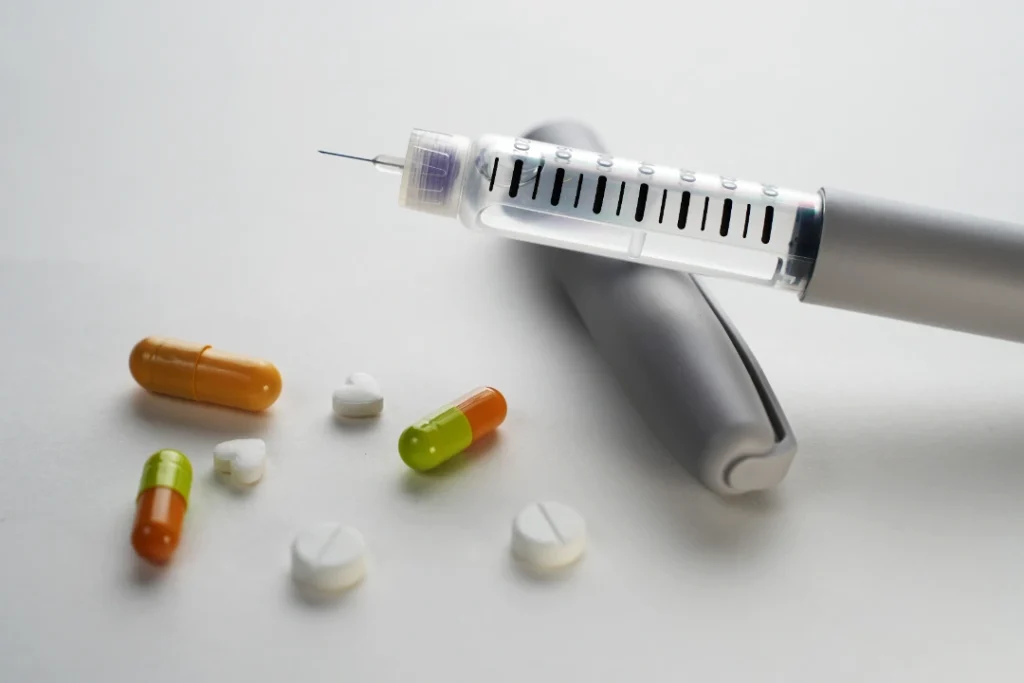
Learn more about treatment duration and long-term weight management here:
Read more...
Frequently Asked Questions About Semaglutide 7.2 mg in Singapore
Is Semaglutide 7.2 mg Better Than 2.4 mg?
The higher dose produced greater average weight loss in STEP UP, but it also caused more gastrointestinal events and altered skin sensations. Whether it is a better option for you depends on your current progress, remaining health needs and treatment tolerability.
How Quickly Will I Lose Weight After Increasing the Dose?
There is no reliable timeline that applies to everyone. STEP UP measured outcomes over 72 weeks, including the initial dose-escalation period. Its results do not establish how quickly someone already taking 2.4 mg will lose additional weight after increasing to 7.2 mg.
Can I Switch From Another Weight-Loss Injection to 7.2 mg?
Can I Switch From Another Weight-Loss Injection to 7.2 mg?
A switch requires an individual treatment plan. Your doctor will review the medication you currently use, its dose, your last injection and previous side effects. Tolerating another injection does not mean you can start semaglutide at 7.2 mg, and doses of different medications are not interchangeable.
Learn more about GLP-1 treatment options here:
https://weightlossclinic.sg/glp-1-medications-making-sense-of-the-choices-available-for-weight-management/
What Should I Do if I Miss a Dose?
Follow the missed-dose instructions for the exact product supplied. Do not take an extra dose to compensate. If you have missed several doses or interrupted treatment, contact your prescribing clinic before restarting, as a lower restart dose may be necessary.
How Much Does Semaglutide 7.2 mg Treatment Cost?
Ask the clinic for a quotation covering the prescribed medication, consultations, any indicated blood tests and follow-up care. Confirm how many weekly doses the quoted supply provides and whether GST is included, so you can assess the expected ongoing cost.
Will Insurance Cover Treatment?
Coverage depends on your policy, the reason for prescribing and any applicable exclusions or approval requirements. Check directly with your insurer before assuming that medication, consultations or investigations will be reimbursed. Having type 2 diabetes does not automatically guarantee coverage.
Discuss Your Weight-Management Plan With Dr Edwin Lim
Whether you are exploring medical weight management for the first time or reviewing your progress on semaglutide 2.4 mg, a consultation can help clarify the appropriate next step.
Dr Edwin Lim will review your medical history, previous treatments, current health and weight-management goals. This assessment helps determine whether to continue your existing treatment, consider semaglutide 7.2 mg or explore another suitable approach.
To prepare for your appointment, bring your current medication list, details of previous weight-loss treatments, recent weight records and any relevant blood test results. Note any side effects or difficulties with eating, hydration or physical activity that you would like to discuss.

Learn more about Dr Edwin Lim here:
Read more...

To arrange a consultation at our Changi City Point or Lucky Plaza clinic, visit:
Read more...
Phone: +65 6904 2218
WhatsApp messages: +65 9637 2218
Email: hello@edwinlimclinic.sg


