


Medical weight loss in Singapore has evolved beyond traditional dieting advice and generic slimming programmes. Obesity is now recognised as a chronic, biologically regulated medical condition that often requires structured, doctor-supervised treatment to achieve meaningful and sustainable results.
This guide reflects clinical experience from doctor-supervised medical weight management by Dr Edwin Lim, focusing on evidence-based and medically appropriate approaches to long-term weight control.
At Weight Loss Clinic Singapore, medical weight loss treatment is centred on scientifically proven prescription therapies that target appetite regulation, hormonal balance, and metabolic pathways involved in weight gain and fat storage. Rather than relying solely on willpower, calorie restriction, or short-term lifestyle changes, modern medical weight management addresses the underlying physiology that makes sustained weight loss difficult for many individuals.
This comprehensive doctor guide explains how medical weight loss works, who is suitable for treatment, expected results, safety considerations, and long-term weight maintenance strategies. It also explores the science behind appetite hormones such as GLP-1 and GIP, metabolic adaptation, and why professional medical supervision plays an important role in achieving safe, effective, and sustainable fat reduction.
Medical weight loss in Singapore is a doctor-supervised, non-surgical approach to treating overweight and obesity using a combination of prescription medications, lifestyle changes, and ongoing clinical monitoring. It recognises that weight gain is not only due to diet and exercise, but also influenced by hormones, metabolism, genetics, appetite regulation, and behavioural factors. The goal is to provide structured, safe, and sustainable fat loss under medical guidance rather than relying on dieting alone.
Body weight is not controlled by willpower alone. It is regulated by a complex biological system involving the brain, gut, hormones, and metabolic signals that continuously influence hunger, fullness, energy expenditure, and fat storage.
This system works to maintain a stable body weight. When weight loss occurs, the body often responds by increasing hunger and slowing metabolism, making further weight reduction progressively more difficult. Understanding how appetite and fat regulation work helps explain why medically supervised treatment can be effective in supporting sustainable weight loss.
Several key hormones play a central role in regulating appetite and satiety. These signals are produced in the gut and communicate with the brain to control how much and how often we eat.
GLP-1 helps slow stomach emptying, reduces appetite, and increases feelings of fullness after meals. GIP contributes to metabolic regulation and energy balance. Ghrelin, often referred to as the “hunger hormone,” stimulates appetite, while leptin signals satiety and helps regulate long-term energy balance.
In individuals with excess body weight, these hormonal signals may become dysregulated, leading to increased hunger, reduced satiety, and a tendency to regain weight after dieting.
The brain and digestive system are closely connected through the brain–gut axis, a communication network that integrates hormonal, neural, and metabolic signals. The hypothalamus, a key centre in the brain, processes signals related to hunger and fullness and influences eating behaviour and energy expenditure.
When appetite-regulating signals are disrupted, the body may favour calorie intake and fat storage even when energy needs are already met. This contributes to persistent hunger, cravings, and difficulty maintaining weight loss through lifestyle measures alone.
The body is biologically programmed to resist weight loss. When calorie intake decreases and weight begins to drop, metabolic adaptation occurs. Resting metabolic rate may decline, and hunger hormones increase, creating a strong physiological drive to eat more and regain lost weight.
This protective response is a survival mechanism designed to preserve energy stores. However, it can make long-term weight loss challenging without medical strategies that help regulate appetite, reduce hunger signals, and support sustained fat reduction.
Body weight is regulated by intricate hormonal and neurological systems that influence hunger, satiety, energy expenditure, and fat storage. When calorie intake is reduced, the body responds by increasing hunger signals and slowing metabolism in an attempt to preserve energy balance.
This biological response is not a failure of discipline, but a natural survival mechanism designed to prevent weight loss. Genetic factors, hormonal regulation, and individual metabolic differences also play significant roles in determining how easily a person gains or loses weight.
Excess body fat, particularly visceral fat stored around internal organs, is associated with increased risk of multiple medical conditions, including cardiovascular disease, hypertension, type 2 diabetes, fatty liver disease, and metabolic syndrome.
Obesity can also contribute to chronic inflammation, hormonal imbalance, joint stress, and long-term deterioration of overall health. Addressing excess body fat through medically supervised weight management not only improves physical appearance but also reduces long-term health risks and supports overall metabolic health.
Diet and exercise remain important components of overall health, but for many individuals, they are often insufficient to produce significant or sustained long-term weight loss. This is because body weight is biologically regulated, and the body actively resists prolonged weight reduction through hormonal and metabolic adaptations.
While short-term weight loss may occur with calorie restriction and increased physical activity, maintaining that weight loss over time can be challenging. Many individuals experience persistent hunger, reduced energy expenditure, and gradual weight regain despite continued effort. Understanding these biological responses helps explain why medically supervised weight management may be necessary for long-term success.


Modern prescription weight loss medications act on pathways involved in appetite regulation and energy balance. These therapies help reduce hunger, increase feelings of fullness, and decrease overall calorie intake without relying solely on willpower or restrictive dieting.
Some medications work by slowing stomach emptying, which prolongs satiety after meals. Others influence central appetite centres in the brain, helping to reduce food cravings and stabilise eating patterns. Through these mechanisms, calorie intake is naturally reduced, supporting gradual and sustained fat loss.
Medical weight loss treatments may be administered either as injectable therapies or oral medications, depending on individual suitability and treatment goals. Injectable therapies are typically administered once weekly and are designed to provide sustained appetite regulation over time. Oral medications offer a non-injectable alternative for patients who prefer tablet-based treatment.
Both options aim to support appetite control, reduce calorie intake, and improve metabolic regulation. The choice of treatment depends on factors such as weight loss targets, medical history, treatment response, and patient preference.
A key mechanism of medical weight loss treatment is appetite regulation. By reducing hunger signals and enhancing satiety, these therapies help individuals feel full with smaller food portions and reduce the urge to snack or overeat.
This natural reduction in calorie intake promotes gradual fat loss while helping to minimise extreme hunger or deprivation. Over time, improved appetite control supports more stable eating patterns and contributes to sustainable long-term weight management.


Medical weight loss treatment aims to achieve gradual, clinically meaningful, and sustainable fat reduction rather than rapid short-term weight loss. Results vary between individuals, but doctor-supervised treatment is designed to support steady progress through appetite regulation, reduced calorie intake, and improved metabolic balance.
Most patients experience progressive weight reduction over several months, with early appetite control often occurring before visible physical changes. Setting realistic expectations is important, as sustainable weight loss is typically achieved through consistent treatment, ongoing monitoring, and long-term metabolic regulation rather than extreme dieting.
During the first few weeks, many patients notice reduced appetite, improved satiety, and decreased portion sizes. Early weight changes may be modest as the body adjusts to treatment.
From the second to sixth month, weight loss typically becomes more noticeable, with gradual and steady reduction in body weight and fat mass. Continued treatment helps stabilise appetite and maintain a consistent calorie deficit.
Between six to twelve months, weight loss may continue at a slower but sustained pace. The focus during this phase often shifts toward maintaining progress, stabilising metabolic balance, and preventing weight regain.
Weight loss response varies depending on several individual factors. Patients with higher starting body weight often experience greater absolute weight reduction. Metabolic rate, hormonal balance, and appetite regulation also influence how quickly weight loss occurs.
Adherence to treatment, consistency of dosing, and regular medical follow-up play important roles in achieving optimal results. Lifestyle factors such as sleep quality, stress levels, and physical activity may further affect long-term outcomes.
Effective medical weight loss focuses on reducing excess body fat while preserving lean muscle mass. Appetite-regulating treatments help support gradual fat reduction rather than rapid weight loss, which may increase the risk of muscle loss.
Maintaining adequate protein intake and engaging in regular physical activity can help preserve muscle mass during weight reduction. Preserving lean body mass supports metabolic health, improves physical function, and contributes to more sustainable long-term weight management.
Body mass index remains one of the key criteria used to assess eligibility for medical weight management. In general, treatment may be considered for individuals with a BMI of 30 and above, or those with a BMI of 27 and above who have weight-related health risks.
These criteria reflect international medical guidelines recognising obesity as a disease requiring structured intervention. However, BMI alone does not determine suitability, as body composition, fat distribution, and metabolic health are also important considerations.
Many individuals attempt multiple cycles of dieting and exercise, only to experience gradual weight regain. This pattern often reflects biological adaptation rather than lack of effort.
Medical weight loss treatment may be suitable for individuals who experience intense hunger after dieting, frequent cravings, reduced metabolic rate following weight loss, or difficulty maintaining results long term. By targeting appetite regulation and hormonal balance, treatment helps address the underlying drivers of weight regain.
Excess body weight is associated with increased risk of metabolic and cardiovascular conditions. Individuals with hypertension, elevated blood sugar levels, fatty liver disease, or features of metabolic syndrome may benefit from medically supervised weight reduction.
By reducing excess body fat and improving appetite regulation, prescription weight loss therapy may help improve metabolic markers and reduce long-term health risks under appropriate medical supervision.
Safety is a key consideration in any medical weight loss programme. Prescription weight loss treatment should always be conducted under proper medical supervision to ensure appropriate patient selection, safe dosing, monitoring of side effects, and long-term metabolic health.
Because obesity is a chronic medical condition, treatment is not simply about reducing appetite. It involves structured assessment, risk evaluation, and ongoing follow-up to support sustainable and medically appropriate weight reduction.
Medical supervision ensures that treatment is tailored to each individual’s health profile, weight loss goals, and response to therapy. A doctor will assess medical history, medications, metabolic markers, and potential contraindications before initiating treatment.
Regular follow-up allows monitoring of weight trends, appetite response, tolerance, and overall health parameters. Adjustments to dosing or treatment approach may be made to optimise results while maintaining safety.
In clinical practice, Dr Edwin Lim emphasises structured assessment and ongoing monitoring to ensure that medical weight loss treatment remains both effective and safe throughout the treatment journey.
Most modern prescription weight loss therapies are generally well tolerated when used appropriately. Some individuals may experience temporary gastrointestinal symptoms such as nausea, reduced appetite, bloating, or mild digestive discomfort during the early stages of treatment.
These effects are often dose-related and tend to improve as the body adapts. Gradual dose escalation, dietary adjustments, and close monitoring can help minimise discomfort and improve treatment tolerance.
Modern weight loss medications prescribed under medical supervision have undergone clinical evaluation for safety and efficacy. Long-term management focuses on maintaining appropriate dosing, monitoring metabolic health, and ensuring that benefits outweigh potential risks.
Because obesity is a chronic condition, long-term strategies may involve continued therapy, maintenance dosing, or structured transition plans to reduce the risk of weight regain. Ongoing medical follow-up supports sustainable weight management while prioritising patient safety and overall health.
Medical weight loss treatment helps regulate appetite, reduce calorie intake, and support sustained fat reduction. However, because obesity is a chronic, biologically regulated condition, stopping treatment may lead to physiological changes that increase the likelihood of weight regain. Understanding this process is important for long-term weight management and setting realistic expectations.
Weight control is influenced by hormonal signals, metabolic rate, and appetite regulation. When treatment is discontinued, these biological mechanisms may gradually return to their previous state, increasing hunger and promoting energy storage. A structured long-term strategy helps minimise weight regain and supports sustained results.


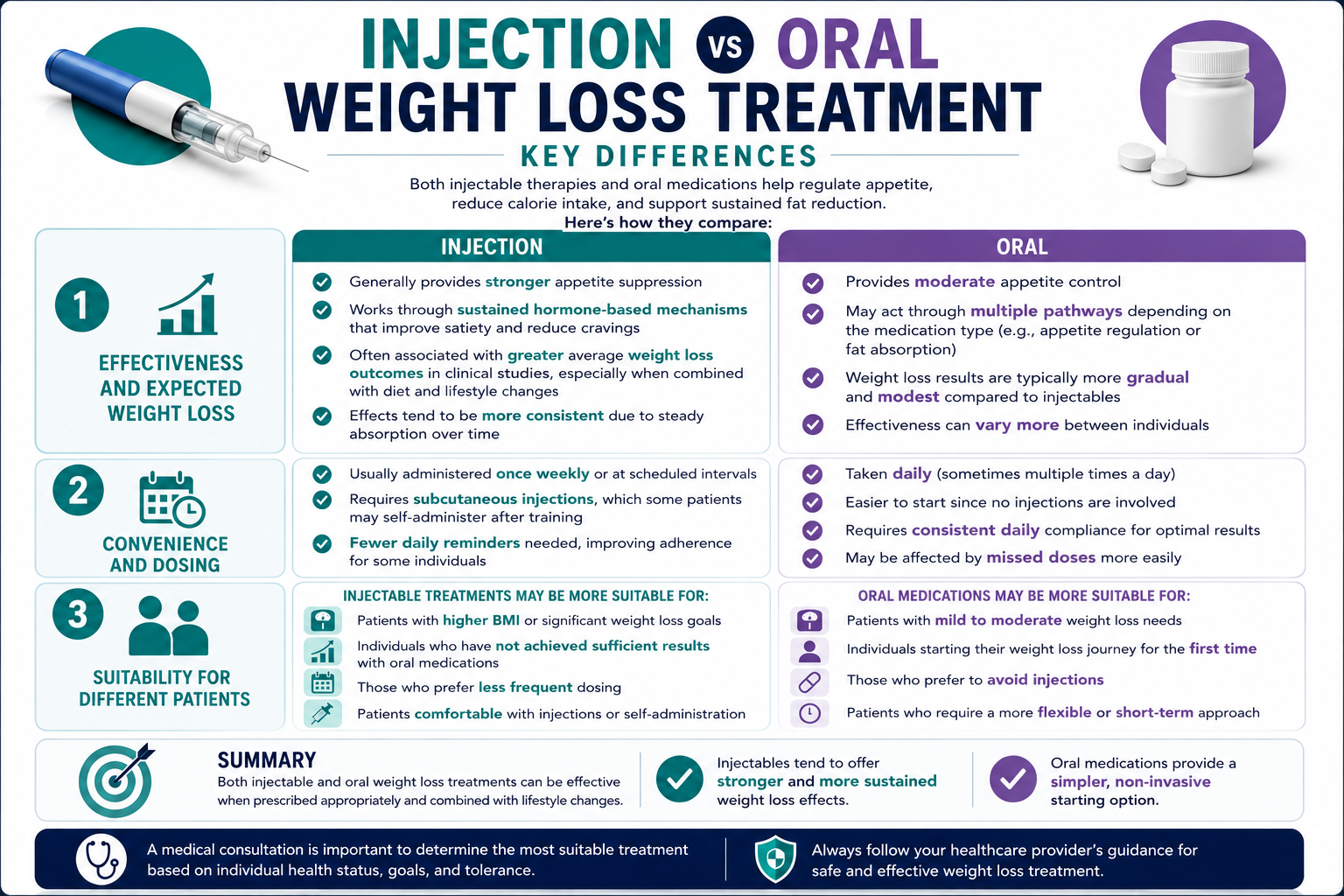

Medical weight loss treatments may be administered either as injectable therapies or oral medications. Both approaches aim to regulate appetite, reduce calorie intake, and support sustained fat reduction, but they differ in dosing frequency, strength of appetite control, and suitability for different individuals.
Understanding the differences between injectable and oral weight loss treatment helps patients make informed decisions based on their weight loss goals, treatment response, and lifestyle preferences.
Injectable weight loss treatments are designed to provide sustained appetite regulation and are often associated with greater overall weight reduction in suitable individuals. Weekly GLP-1 based injectable therapies used in modern medical weight management can help reduce hunger, improve satiety, and support progressive fat loss. You may learn more about this treatment here:
https://weightlossclinic.sg/wegovy-semaglutide-2-4mg-singapore/
Dual-hormone based injectable therapies that target multiple metabolic pathways are also available for suitable individuals. More information about this treatment can be found here:
Injectable treatments are typically administered once weekly, providing sustained appetite regulation without the need for daily dosing. This may improve consistency and reduce the burden of frequent medication use.
Oral medications require regular daily dosing and adherence to timing instructions. For patients who prefer a non-injectable option, oral semaglutide therapy may be considered. You may read more about oral weight loss treatment here:
https://weightlossclinic.sg/rybelsus-oral-semaglutide-singapore/
The choice between injectable and oral weight loss treatment depends on individual clinical factors, weight loss targets, and treatment response. Injectable therapy may be preferred for individuals seeking stronger appetite regulation and greater expected weight reduction, while oral treatment may be suitable for those who prefer a tablet-based option or require gradual escalation. A personalised medical assessment helps determine the most appropriate treatment approach for safe and effective weight management.
With improved appetite regulation, patients typically experience earlier satiety and reduced portion sizes. This creates an opportunity to focus on balanced nutrition rather than aggressive calorie restriction.
Adequate protein intake helps preserve lean muscle mass during weight reduction. Consistent meal timing and reduced snacking may further support stable blood sugar levels and appetite control. Structured nutritional guidance can enhance treatment effectiveness while minimising excessive hunger.
Weight loss should ideally prioritise fat reduction while maintaining muscle mass. Resistance training and regular physical activity help preserve lean body mass, support metabolic health, and improve overall physical function.
Even moderate levels of movement, such as structured walking or strength exercises, can complement medical therapy and contribute to sustainable weight management. Preserving muscle mass also supports long-term metabolic stability and reduces the likelihood of weight regain.
Sleep deprivation and chronic stress can influence appetite-regulating hormones and increase cravings. Poor sleep quality may disrupt hunger signals and reduce energy expenditure, making weight control more challenging.
Optimising sleep patterns and managing stress levels can improve hormonal balance and support medical weight loss treatment. A comprehensive approach that addresses both biological and lifestyle factors enhances the likelihood of long-term success.
Sustainable weight management requires a long-term perspective rather than short-term weight reduction. Because obesity is a chronic, biologically regulated condition, long-term success depends on maintaining appetite control, metabolic stability, and healthy body composition over time.
Medical weight loss treatment supports initial fat reduction, but long-term strategies are equally important to prevent weight regain and maintain results. A structured, ongoing approach helps individuals stabilise weight, preserve metabolic health, and reduce long-term health risks.
Modern medicine recognises obesity as a chronic condition similar to hypertension or diabetes. This means that long-term management, rather than short-term intervention, is often necessary to maintain control.
Weight regulation involves complex hormonal and metabolic pathways that continue to influence appetite and fat storage even after weight loss has been achieved. Viewing obesity through a chronic disease model helps guide realistic expectations and supports sustained treatment strategies.
After achieving meaningful weight reduction, some individuals may benefit from continued medical therapy at a maintenance level to help stabilise appetite and prevent rebound weight gain. Maintenance strategies are personalised based on treatment response, metabolic profile, and long-term goals.
Regular monitoring allows early detection of weight regain and supports timely adjustments to treatment. Maintaining stable weight over time helps protect metabolic health and supports long-term treatment success.
Repeated cycles of weight loss and regain, often referred to as weight cycling, can affect metabolic balance and make future weight loss more challenging. Preventing weight cycling involves stabilising appetite, maintaining consistent habits, and using structured long-term strategies rather than intermittent dieting.
A medically guided approach helps support sustained fat reduction, preserve lean body mass, and reduce the likelihood of repeated weight regain. Long-term consistency is key to achieving stable and sustainable weight management.
Many individuals attempt weight loss through dieting, exercise, or lifestyle programmes, but some continue to struggle despite sustained effort. When weight remains difficult to control or begins to impact overall health, doctor-supervised medical weight loss treatment may be appropriate.
Seeking medical guidance allows proper assessment of underlying biological, hormonal, and metabolic factors that may be contributing to weight gain or preventing sustained weight loss. Early intervention can help reduce long-term health risks and support more effective weight management.
Some individuals are able to lose weight initially but experience repeated cycles of weight regain. Persistent hunger, reduced metabolic rate after dieting, and strong food cravings may indicate biological resistance to weight loss.
When lifestyle measures alone are insufficient, medical treatment may help regulate appetite, reduce hunger signals, and support more sustainable long-term weight control.
Excess body weight is associated with increased risk of metabolic and cardiovascular conditions. Individuals with elevated blood sugar, high blood pressure, fatty liver, or features of metabolic syndrome may benefit from medically supervised weight reduction.
Addressing excess weight early can help improve metabolic health, reduce long-term complications, and support overall wellbeing under appropriate medical supervision.
For some individuals, hunger signals remain strong despite efforts to reduce calorie intake. This may lead to frequent snacking, large portion sizes, or difficulty maintaining consistent eating patterns.
Medical weight loss treatment helps regulate appetite and improve satiety, allowing individuals to achieve better control over food intake and support gradual, sustainable fat reduction.
A personalised medical assessment is the foundation of safe and effective weight loss treatment. Every individual has unique metabolic characteristics, weight loss goals, and health considerations. A structured consultation allows evaluation of medical history, body composition, appetite patterns, and metabolic risk factors to determine the most appropriate treatment approach.
Doctor-supervised medical weight loss focuses on tailoring therapy to each individual rather than applying a one-size-fits-all strategy. Treatment planning considers suitability for prescription therapy, expected weight loss outcomes, tolerance, and long-term weight management goals.


Patients often have important questions about how medical weight loss works, expected outcomes, safety, and long-term management. Understanding these key points helps individuals make informed decisions and feel more confident about starting doctor-supervised treatment.
Doctor-supervised medical weight loss relies on therapies that have undergone clinical evaluation for safety and effectiveness. Treatment decisions are guided by medical guidelines, patient suitability, and ongoing response monitoring.
This evidence-based approach prioritises sustainable fat reduction rather than rapid or extreme dieting methods, helping to support long-term metabolic health.
Regular follow-up allows early detection of side effects, assessment of treatment tolerance, and adjustment of dosing when necessary. Monitoring also helps track progress in body weight, appetite regulation, and overall health markers.
Structured supervision improves safety and supports better long-term outcomes compared to unsupervised or self-directed weight loss strategies.
Each individual responds differently to weight loss treatment. A personalised plan considers weight history, appetite patterns, lifestyle factors, and long-term goals.
Through tailored treatment selection and ongoing review, doctor-supervised medical weight loss supports meaningful and sustainable results while reducing the likelihood of repeated weight regain cycles.

A consultation allows detailed assessment of body weight, metabolic profile, appetite regulation, and treatment suitability. Based on clinical evaluation, an individualised treatment plan can be developed to support safe and effective weight reduction.
Patients receive guidance on treatment options, expected outcomes, monitoring, and long-term weight management strategies. You may book a personalised medical weight loss consultation here:
Regular follow-up plays an important role in achieving and maintaining results. Monitoring helps track progress, optimise treatment response, and ensure safety throughout the weight loss journey.
With structured medical supervision, many individuals are able to achieve meaningful fat reduction, stabilise weight, and maintain improved metabolic health over time.


